KPV Peptide 10mg Research Vial for Laboratory Use
For laboratory research use only. Not for human or veterinary use, not a medicine, food supplement or cosmetic.
- Batch-tested Certificate of analysis for every lot
- Research use only For laboratory research
- UK stock Dispatched from the UK
- Delivery from £6.05 Free over £100.00. Delivery policy
Research PeptidesResearch compound
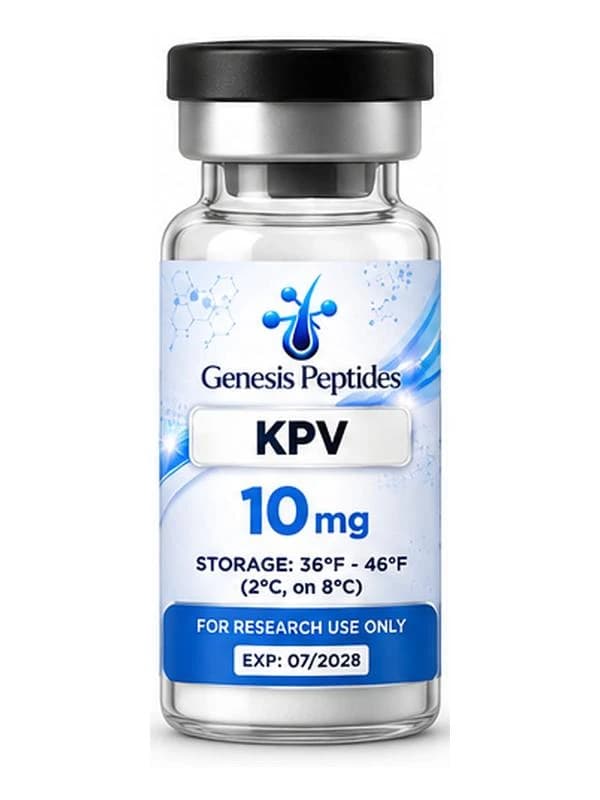
Genesis Peptide KPV 10mg Research Vial
Genesis Peptides supplies KPV peptide as a lyophilised (freeze-dried) research vial, dispatched from the UK. KPV is the tripeptide lysine-proline-valine: the last three amino acids of alpha-melanocyte-stimulating hormone (alpha-MSH).
- HPLC and mass spectrometry
- Research use only
£24.99no VAT charged
In stockUK stock, dispatched from the UK
- Strength
- 10mg
- Product
- KPV (Lys-Pro-Val), lyophilised powder
- Identity
- Mass spectrometry, batch-specific
- Appearance
- White lyophilised powder
- Storage
- −20 °C for long-term storage, sealed, dry and protected from light
[INSERT MY APPROVED RESEARCH-USE WORDING]
Product Details and Specifications for This Research Peptide
| Product | KPV (Lys-Pro-Val), lyophilised powder |
|---|---|
| Amount per vial | KPV 10 mg [CONFIRM; add “also available as KPV 5mg” only if stocked] |
| Sequence | H-Lys-Pro-Val-OH (KPV), alpha-MSH residues 11–13 |
| Length | 3 amino acids (tripeptide) |
| C-terminus | [Free acid (–OH) or amide (–NH2): CONFIRM from COA] |
| Molecular formula | C16H30N4O4 (free acid) |
| Molecular weight | about 342.4 g/mol (monoisotopic about 342.23) |
| CAS number | 67727-97-3 (free acid) |
| Salt form | [acetate: CONFIRM from COA] |
| Purity (HPLC) | [≥ __% : CONFIRM batch figure] |
| Identity | Mass spectrometry, batch-specific |
| Appearance | White lyophilised powder |
| Vial | [__ml glass vial, rubber stopper, aluminium crimp cap: CONFIRM] |
| Testing lab | [Lab name, independent or in-house: CONFIRM] |
| Storage | −20 °C for long-term storage, sealed, dry and protected from light |
Each KPV 10mg peptide vial contains only the peptide as a dry powder, with no water, solvent, filler or other active ingredient. Many peptides KPV is sold alongside are blends; this is a single-compound vial, so any result in your experiment can be attributed to KPV alone. If you need KPV combined with GHK-Cu, BPC-157 and TB-500, see our KLOW blend [LINK: KLOW blend].
What Is KPV and Why Is It Called a Fragment of Alpha MSH?
What is KPV peptide? It is a three-amino-acid peptide, lysine (K), proline (P) and valine (V), named after the one-letter codes of those amino acids. That is why it is also written K.P.V or K P V. So what is KPV in relation to alpha-MSH? Alpha-MSH is a 13-amino-acid hormone made in the body from a larger precursor protein, pro-opiomelanocortin (POMC). Its sequence is Ac-Ser-Tyr-Ser-Met-Glu-His-Phe-Arg-Trp-Gly-Lys-Pro-Val-NH2. The last three residues, positions 11 to 13, are Lys-Pro-Val. KPV is that C-terminal end on its own, which is why it is described as a fragment of alpha-MSH.
Researchers became interested in the fragment in the late 1980s, when the C-terminal end of alpha-MSH was reported to keep some of the parent hormone’s anti-inflammatory activity in animal models [VERIFY: Hiltz & Lipton 1989]. KPV does not contain the His-Phe-Arg-Trp “core” (positions 6 to 9) that alpha-MSH uses to switch on its receptors, so it is studied as a way to separate those two parts of the hormone’s activity. Reviews describe KPV peptide as keeping anti-inflammatory activity in models without the pigmentation effect of the full hormone.
Amino Acid Sequence, Molecular Weight and Chemical Structure
- Sequence: H-Lys-Pro-Val-OH (one-letter code KPV). In full-length alpha-MSH the valine carries a C-terminal amide; research KPV is usually the free acid [CONFIRM for our batch].
- Formula and weight: C16H30N4O4, average molecular weight about 342.4 g/mol, monoisotopic mass about 342.23. The amide form (C16H31N5O3) is about 341.5, almost exactly 1 Da lighter.
- CAS number: 67727-97-3.
- Structure: lysine has a long side chain ending in an amino group, which is positively charged at neutral pH. Proline’s side chain loops back to form a ring, which makes the backbone rigid at that point. Valine has a small branched, water-repelling side chain. With the free N-terminal amine, the lysine side chain and the C-terminal acid, KPV carries a net charge of about +1 at neutral pH.
- Size: at about 342 Da, KPV is roughly a fifth of the mass of alpha-MSH (about 1,665 Da).
How Is KPV Studied in Laboratory Research?
What does KPV peptide do in the lab? Published work on KPV peptides falls into three areas: whether it acts through melanocortin receptors, how it affects inflammation signalling in cells, and how it behaves in mouse models of inflammation, especially in the gut. What is KPV peptide used for today? As a research tool only. It is not approved as a medicine anywhere, and the findings below come from cell and animal experiments.
Melanocortin Receptor Research
Alpha-MSH works through melanocortin receptors, a family of five G-protein-coupled receptors (MC1R to MC5R). Alpha-MSH activates MC1R, MC3R, MC4R and MC5R, mostly by raising cyclic AMP (cAMP) inside the cell; MC2R responds only to ACTH. Because KPV lacks the His-Phe-Arg-Trp core, a key research question is whether it uses these receptors at all.
The best-known direct test is Getting, Schiöth and Perretti (2003). In mouse peritonitis models, KPV reduced the build-up of neutrophils (a type of white blood cell), but:
- the MC3/MC4 receptor blocker SHU9119 did not stop the effect;
- KPV did not raise cAMP in macrophages, unlike the melanocortin agonist MTII;
- the effect was still present in “recessive yellow” (e/e) mice, which have no working MC1R.
The authors concluded that KPV is unlikely to act through melanocortin receptors and more likely interferes with IL-1β signalling. Other groups have proposed some MC1R involvement in specific cell types [VERIFY], so the mechanism is still debated and is one of the open questions KPV research addresses.
Inflammation Signalling Research in Cell Models
Most interest in KPV anti inflammatory activity comes from cell studies of the NF-κB pathway, the main “on switch” for many inflammatory genes. In macrophage-like RAW 264.7 cells stimulated with LPS and interferon-gamma, KPV reduced NF-κB DNA binding and nitric oxide production [VERIFY: Mandrika 2001]. In intestinal epithelial cells, Dalmasso et al. (2008) showed that KPV is carried into the cell by PepT1, a transporter for di- and tripeptides, and that once inside it reduced NF-κB and MAP kinase activation and the release of inflammatory messengers [VERIFY: cytokines and concentrations].
The same groups extended this work to mice. Dalmasso et al. and Kannengiesser et al. (both 2008) reported reduced inflammation in mouse models of colitis, and Kannengiesser et al. reported the effect also in mice lacking functional MC1R signalling [VERIFY]. These studies are why KPV for inflammation research has focused on the gut. They are animal and cell findings and do not show any effect in people.
Stability of the Peptide Under Laboratory Conditions
As a dry, lyophilised powder, peptide KPV is chemically simple and relatively stable. None of its three amino acids has a side chain that oxidises easily (it contains no methionine, cysteine or tryptophan), which removes one common cause of peptide degradation. Points to control in the lab:
- Moisture: lyophilised peptide salts absorb water from the air. Keep vials sealed and let them warm to room temperature before opening.
- Cyclisation in solution: peptides with proline in the second position can fold back on themselves and cyclise into a diketopiperazine, which here would release valine and form cyclo(Lys-Pro). This is a known pathway for this type of sequence and is faster at higher temperature and in neutral to basic solution [VERIFY: no KPV-specific stability study found].
- Enzymes: in serum or tissue samples, short peptides are broken down quickly by peptidases. Formal stability data for KPV in biological samples have not been published [VERIFY].
Store and handle the vial as described in the storage section below, and use the batch COA as your starting reference for purity.
What Does Current Evidence Say About Human Studies?
There are no published clinical trials of KPV peptide in people, and none registered that we could find [CHECK clinicaltrials.gov before publishing]. All of the evidence described on this page comes from cell cultures and animal models. KPV is not an approved medicine in the UK or any other country, and no safe or effective human use has been established. Related alpha-MSH-derived compounds that have been tested in people are different, larger molecules and their results do not apply to KPV.
KPV vs Alpha MSH and the CKPV Dimer: What Is the Difference in Research?
| Feature | KPV | Alpha-MSH | CKPV dimer, [Ac-CKPV]2 |
|---|---|---|---|
| Structure | Lys-Pro-Val, 3 amino acids | 13 amino acids, acetylated N-terminus and amidated C-terminus | Two Ac-Cys-Lys-Pro-Val-NH2 units joined by a disulfide bond between the cysteines |
| Approx. mass | 342 Da | 1,665 Da | about 971 Da [VERIFY] |
| His-Phe-Arg-Trp core | No | Yes | No |
| Melanocortin receptor agonist | Unlikely (see Getting 2003) | Yes: MC1R, MC3R, MC4R, MC5R | Not its main research use |
| Main research area | Inflammation signalling in cells and mouse models | Pigmentation, appetite, inflammation, broad receptor pharmacology | Antifungal (anti-Candida) activity in lab tests |
KPV vs alpha-MSH: alpha-MSH is the full hormone and acts on four of the five melanocortin receptors, which is why it affects skin pigmentation as well as inflammation. KPV is its last three amino acids. It is used in research to study the parts of alpha-MSH activity that seem to work without the receptor-activating core. Alpha-MSH itself breaks down within minutes in blood, which is one reason synthetic analogues were developed [VERIFY].
KPV vs CKPV: CKPV is not the same compound. Earlier work had found that alpha-MSH and KPV had antimicrobial activity in lab tests, and researchers in Milan and Naples linked two KPV units through a cysteine-cysteine bridge to make [Ac-CKPV]2. Catania et al. (2005) reported that the dimer had strong activity against Candida in lab tests, including strains resistant to azole antifungals, and used NMR to show it takes up an extended shape with a β-turn-like fold. It is a separate research compound with a different structure and mass, and Genesis Peptides does not sell it as KPV.
Certificate of Analysis and Purity Testing for Each Batch
Every batch of our KPV comes with a certificate of analysis (COA) from [CONFIRM: lab name] [independent third-party lab: CONFIRM]. The COA shows two separate tests: HPLC, which measures purity, and mass spectrometry, which confirms the molecule. Both are needed. A high purity figure alone does not prove the main peak is KPV, and a correct mass alone does not show how much of the sample is impurity. If you are comparing suppliers to find the best KPV peptide for your work, ask for both results, matched to the batch number on the vial. The same applies to every KPV 10 peptide vial we sell.
How to Find and Download the Certificate for Your Batch
- Find the batch number on your vial label [and on the packing slip: CONFIRM].
- Go to [LINK: COA library page], or use the COA link in the product images on this page.
- Choose the certificate whose batch number matches your vial and download the PDF.
- If you cannot find your batch, contact us at [CONFIRM: email] and we will send it.
How to Read HPLC Purity and Mass Spectrometry Results
- HPLC purity: the trace shows one main peak for KPV and smaller peaks for impurities, such as the dipeptides Lys-Pro or Pro-Val, or the cyclised form. Purity is the main peak’s area as a percentage of all peaks. This batch: [CONFIRM: __%].
- Mass spectrometry: for the free acid, the measured monoisotopic mass should be about 342.2, usually seen as [M+H]+ at about 343.2 and sometimes as [M+2H]2+ at about 172.1. If the result is about 342.2 (as [M+H]+) instead of 343.2, the sample is likely the amide form, so check which form the COA names.
- Net peptide content (if shown): the share of the powder that is peptide, as opposed to counter-ions (usually acetate) and residual water. For a peptide this small the counter-ion is a large share of the weight, so net peptide content can be well below 100% even when purity is high.
- Check the details: the product name, batch number, test date and lab name should all be on the certificate.
How to Store and Handle a Lyophilised Peptide Vial
Lyophilised KPV is much more stable as a dry powder than in solution. For long-term storage, keep the sealed vial at −20 °C, away from light and moisture. For short periods, 2–8 °C in a fridge is generally suitable for lyophilised peptides [CONFIRM in-house guidance]. Before opening a cold vial, let it reach room temperature so moisture from the air does not condense on the powder. Handle with gloves, using sterile technique, in a lab setting.
Storage Before and After Reconstitution
- Before reconstitution: sealed vial at −20 °C long term, or 2–8 °C short term. Unopened shelf life: [__ months: CONFIRM].
- KPV 10mg reconstitution: KPV is readily soluble in water. In research protocols, the powder is usually dissolved in sterile bacteriostatic water [LINK: bac water], added slowly down the side of the vial and swirled gently rather than shaken. The volume used depends on the concentration your protocol needs.
- After reconstitution: store the solution at 2–8 °C, protected from light, and use within [__ days/weeks: CONFIRM from your stability data]. Avoid repeated freezing and thawing; if longer storage is needed, split the solution into single-use aliquots and freeze them.
- Discard any solution that turns cloudy, changes colour or contains particles.
Is Research Use of This Peptide Legal in the UK, and Is It Banned in Sport?
[LEGAL REVIEW: this section]
- Not a controlled drug. KPV is not listed under the Misuse of Drugs Act 1971 [VERIFY], so possessing it is not an offence.
- Not a licensed medicine. KPV has no marketing authorisation from the MHRA or any other regulator, so it cannot legally be sold or supplied in the UK as a medicine for human use, or as a food supplement or cosmetic.
- Research supply. Buying KPV peptide UK stock as a research chemical, labelled and sold for laboratory use, is the basis on which we supply it [LEGAL REVIEW]. We will not sell to anyone who says they intend to use it on a person or an animal.
Is it banned in sport? KPV is not named on the World Anti-Doping Agency (WADA) 2026 Prohibited List. However, section S0 of the list bans any pharmacological substance that is not covered by another section and has no current approval for human therapeutic use. Unapproved research peptides like KPV are likely to fall under S0, which applies at all times, in and out of competition [VERIFY with UKAD]. UK Anti-Doping (UKAD) applies the WADA list, so athletes covered by KPV UK anti-doping rules should treat it as prohibited.
What to Check Before Buying Research Peptides in the UK
Before you buy KPV peptide or any other research peptide, check:
- A batch-matched COA with both HPLC purity and mass spectrometry identity, from a named lab.
- The exact compound and form. The listing should say KPV (Lys-Pro-Val), the amount per vial, whether it is the free acid or amide, and that it is not a blend or the CKPV dimer.
- Net peptide content and salt form, so you know how much actual peptide is in the vial.
- Clear research-use labelling and no dosing, health or treatment claims. A supplier that gives human dosing advice or sells KPV as a supplement is selling outside the rules.
- A UK address and contact details, and dispatch from the UK.
- Correct format: lyophilised powder in a sealed glass vial. Capsule, tablet and cream products sold as “KPV” are consumer products, not research materials, and are rarely batch-tested in the same way.
The cheapest listing is rarely the best KPV peptide for research. Whoever you buy KPV from, check the batch certificate before you open the vial. To order from Genesis, add the 10mg vial to your basket at the top of this page.
UK Delivery, Dispatch and Packaging
- Dispatch: orders placed before [CONFIRM: time] on a working day are dispatched the same day from [CONFIRM: town/county].
- Delivery: [CONFIRM: carrier and service, e.g. Royal Mail Tracked 24], [CONFIRM: price / free over £__].
- Packaging: vials are sealed and packed in [CONFIRM: protective packaging details], in plain outer packaging. Lyophilised peptides are stable at room temperature for the length of normal UK transit; store them as described above on arrival [CONFIRM].
- Payment: [CONFIRM: payment methods].
Our KPV peptide UK stock is held and shipped within the UK, so there are no customs delays, and every KPV UK order includes the batch number on the packing slip for COA lookup. For larger lab orders, contact [CONFIRM: email].
Scientific References and Published Studies
Key published studies on KPV peptide, alpha-MSH and the CKPV dimer cited on this page:
- Hiltz ME, Lipton JM. Antiinflammatory activity of a COOH-terminal fragment of the neuropeptide alpha-MSH. FASEB J. 1989;3(11):2282–2284. [VERIFY]
- Mandrika I, Muceniece R, Wikberg JE. Effects of melanocortin peptides on lipopolysaccharide/interferon-gamma-induced NF-kappaB DNA binding and nitric oxide production in macrophage-like RAW 264.7 cells: evidence for dual mechanisms of action. Biochem Pharmacol. 2001;61(5):613–621. [VERIFY]
- Getting SJ, Schiöth HB, Perretti M. Dissection of the anti-inflammatory effect of the core and C-terminal (KPV) alpha-melanocyte-stimulating hormone peptides. J Pharmacol Exp Ther. 2003;306(2):631–637. doi:10.1124/jpet.103.051623
- Catania A, Grieco P, Randazzo A, et al. Three-dimensional structure of the α-MSH-derived candidacidal peptide [Ac-CKPV]2. J Pept Res. 2005;66(1):19–26. doi:10.1111/j.1399-3011.2005.00265.x
- Dalmasso G, Charrier-Hisamuddin L, Nguyen HT, et al. PepT1-mediated tripeptide KPV uptake reduces intestinal inflammation. Gastroenterology. 2008;134(1):166–178. [VERIFY pages]
- Kannengiesser K, Maaser C, Heidemann J, et al. Melanocortin-derived tripeptide KPV has anti-inflammatory potential in murine models of inflammatory bowel disease. Inflamm Bowel Dis. 2008;14(3):324–331.
- Brzoska T, Luger TA, Maaser C, Abels C, Böhm M. Alpha-melanocyte-stimulating hormone and related tripeptides: biochemistry, antiinflammatory and protective effects in vitro and in vivo, and future perspectives for the treatment of immune-mediated inflammatory diseases. Endocr Rev. 2008;29(5):581–602. doi:10.1210/er.2007-0027
- World Anti-Doping Agency. Prohibited List 2026, S0 Non-Approved Substances.
[CHECK: add DOI or PubMed links before publishing]
Related Research Peptides and Buying Guides
KPV is often researched alongside other peptides. Searches for BPC KPV, KPV BPC or BPC and KPV usually refer to blends that combine the two, and GHK KPV or GLOW KPV searches usually mean the KLOW blend, which is the GLOW blend (GHK-Cu, BPC-157, TB-500) with KPV added. Related products:
- KLOW blend 80mg: GHK-Cu, BPC-157, TB-500 and KPV in one vial, the most common BPC KPV peptide combination. [LINK: KLOW blend]
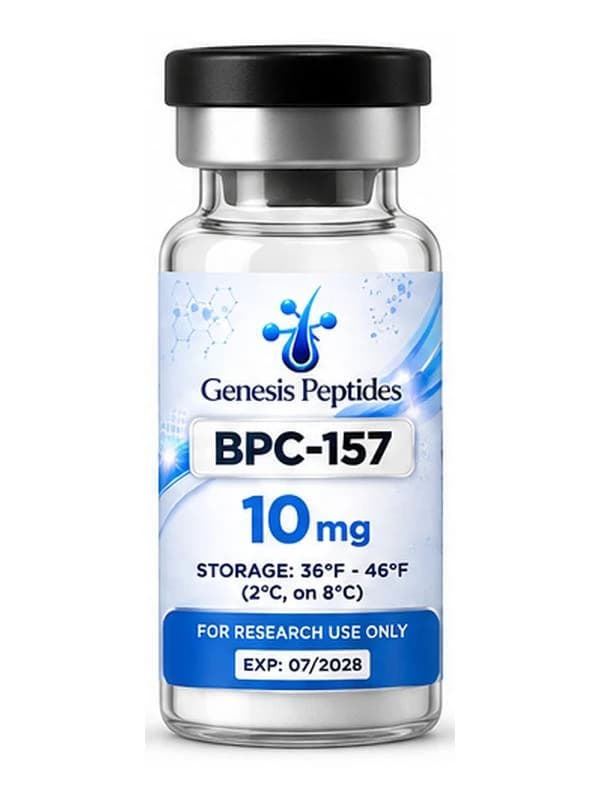
- BPC-157 vial: the gastric pentadecapeptide fragment, as a single compound. [LINK: BPC-157 vial]
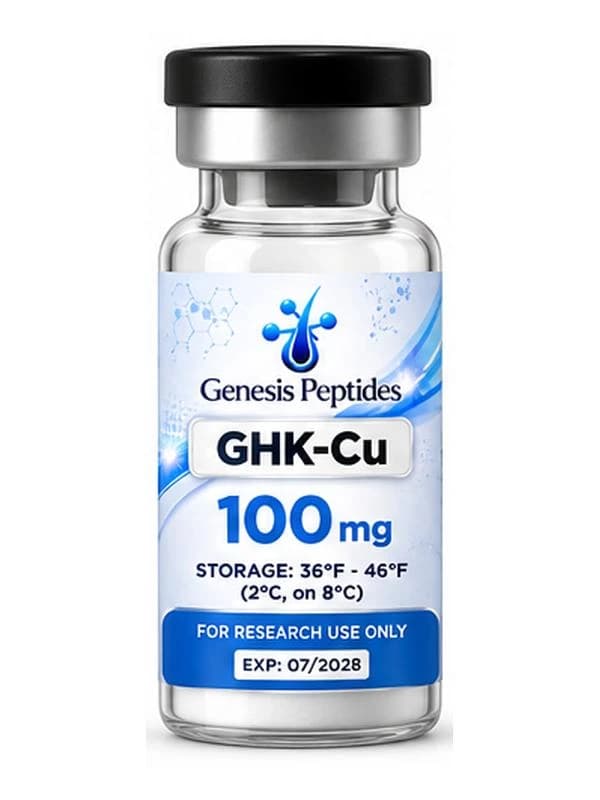
- GHK-Cu 100mg vial: the copper-binding tripeptide, the other tripeptide in KLOW. [LINK: GHK-Cu vial]
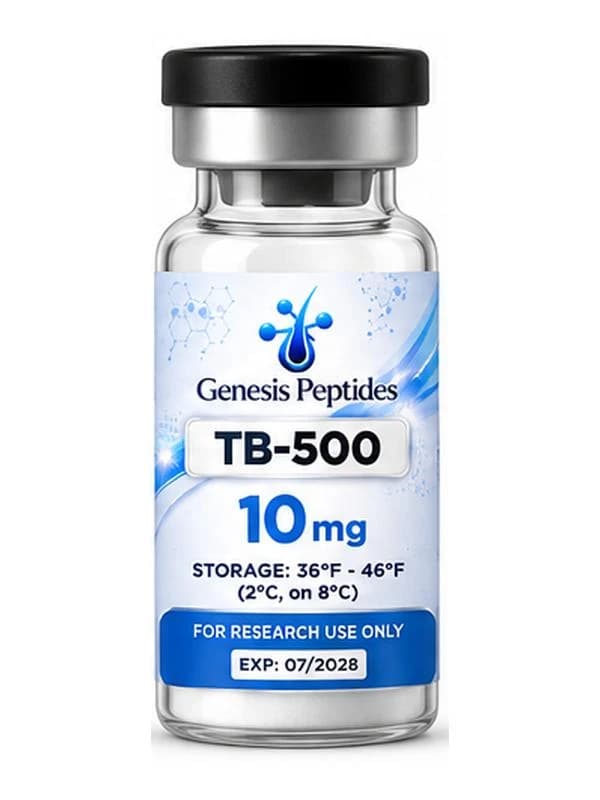
- TB-500 vial: the thymosin beta-4 fragment. [LINK: TB-500 vial]
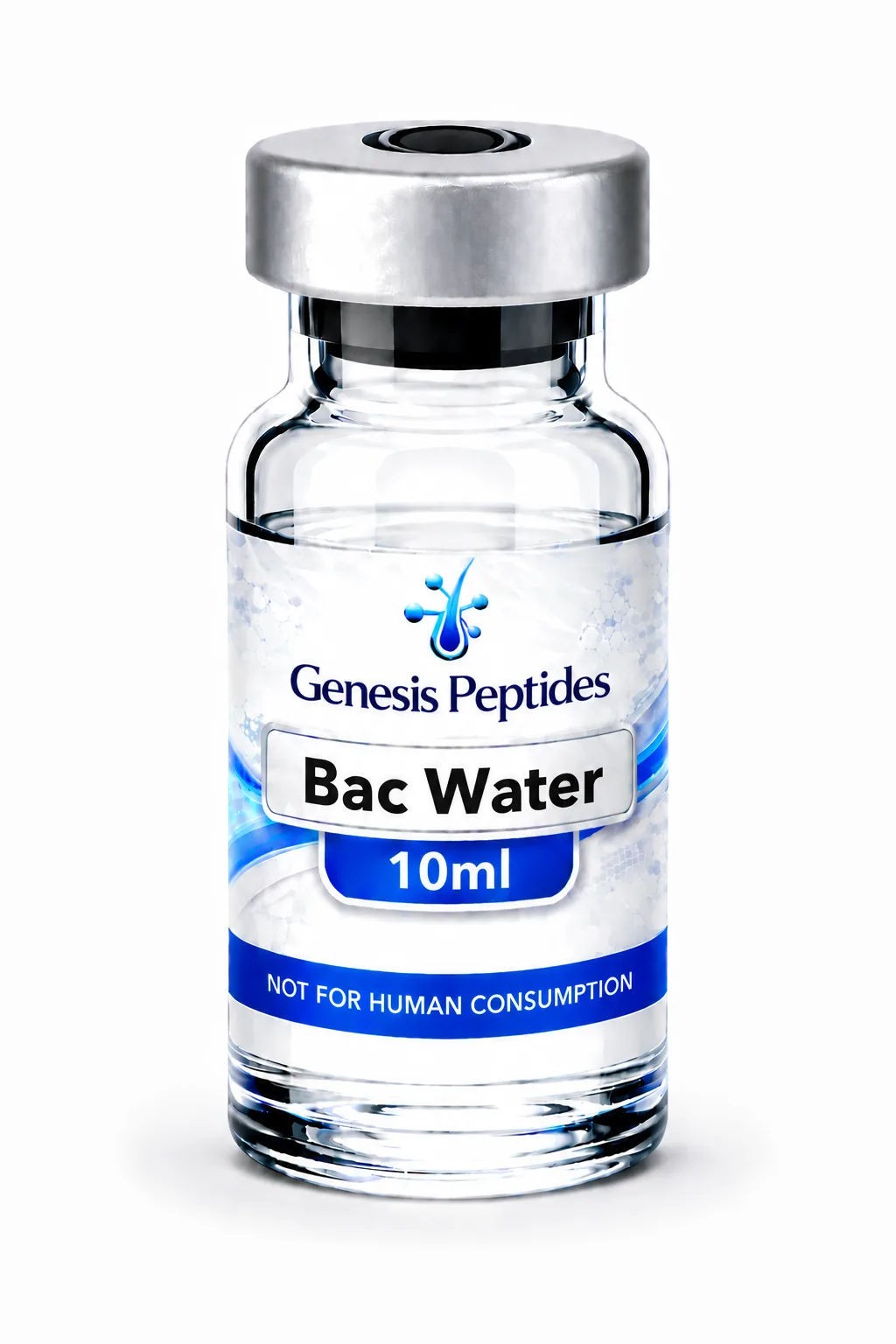
- Bacteriostatic water 10ml: for reconstituting lyophilised peptides in research protocols. [LINK: Bac water]
- Guides: [LINK: How to read a peptide COA] · [LINK: How to store research peptides]
Or return to the top of this page to order KPV peptide 10mg.
All products are for laboratory research use only. Not for human or veterinary use.
FAQ
Frequently Asked Questions
Quick answers on batch testing, delivery and ordering. Can’t find what you need? Our team is happy to help.
Contact UsWhat is inside a vial of this peptide?
Only lyophilised peptide powder: 10mg of KPV (Lys-Pro-Val) as its [CONFIRM: acetate] salt, with no water, solvent, filler or other active ingredient. The exact purity and net peptide content of each vial are on the batch COA.
Is KPV the same as CKPV?
No. KPV is the single tripeptide Lys-Pro-Val (about 342 Da). CKPV usually refers to [Ac-CKPV]2, a dimer in which two KPV units, each with an added cysteine, are joined by a disulfide bond. It is a separate research compound with about three times the mass, studied mainly for antifungal activity in lab tests. This vial contains KPV only.
Are there any human studies on it?
No published clinical trials of KPV peptide in people have been found. The research consists of cell studies and animal models, mainly of inflammation signalling and colitis in mice. KPV is not approved as a medicine anywhere, and no human use has been established.
Is it legal to buy in the UK?
Buying KPV as a research chemical for laboratory use is lawful [LEGAL REVIEW]. It is not a controlled drug, but it is not a licensed medicine and must not be sold or used as one, or as a supplement. In sport it is likely to be prohibited at all times under section S0 of the WADA list.
Is this product third party tested?
Yes. Every batch is tested by [CONFIRM: lab name] [CONFIRM independent] for HPLC purity and mass spectrometry identity, and the batch certificate is available to download before or after you buy KPV peptide from us.
How long can it be stored once reconstituted?
Keep reconstituted KPV at 2–8 °C, away from light, and use it within [__ days/weeks: CONFIRM]. For longer storage, freeze single-use aliquots and avoid repeated freeze-thaw cycles. Unopened lyophilised vials last much longer at −20 °C.
Calculator
Peptide Reconstitution Calculator
Enter the amount in the vial, the volume of diluent added and the amount you need. The calculator works out the concentration and the volume to measure.
- Volume to measure
- 0.05 ml
- 50 µl
- Concentration
- 5,000 mcg/ml
- 5 mg/ml
- Portions per vial
- 40
- at 250 mcg each